







Search Results for: flavored syrup concentrate

Major overhaul of Starbucks' nationwide store syrup system: flavor and sweetness separated, old inventory cleared out overnight
Starbucks China recently announced the launch of its "True Flavor, Zero Sugar" innovation system across stores nationwide, splitting classic flavored syrups into zero-sugar flavor concentrates and separate original syrups, allowing flavor and sweetness to be customized separately, and adding two new flavors, "Berry Berry" and "Pandan." However, with the rollout of the new policy, staff at stores nationwide were required to centrally destroy old syrup inventory after closing on the 7th, with classic flavors such as vanilla, hazelnut, and salted caramel poured down the drain. This sudden "one-size-fits-all" sugar swap not only marks the beginning of Starbucks' flavor customization era, but also leaves many baristas lamenting the end of an era. [more…]
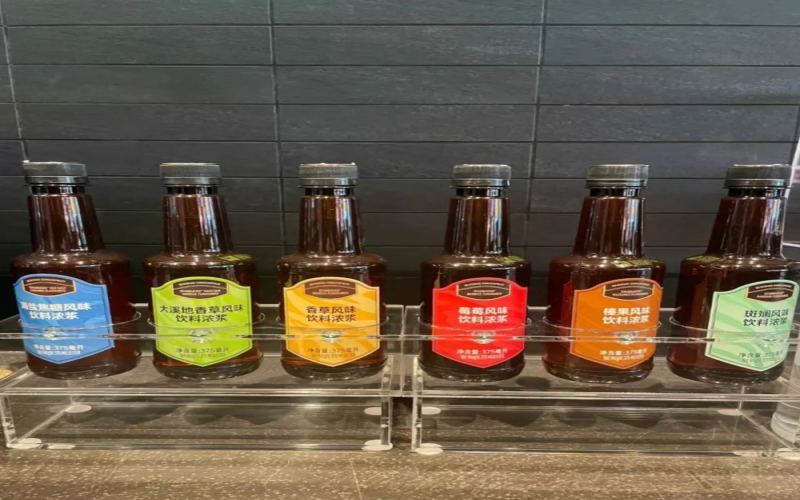
Starbucks' revised sweetness standards in its ordering system spark heated debate: consumers and baristas alike say they're not used to it
Recently, Starbucks has rolled out a major syrup reform in China, splitting flavored syrups into two parts: flavor and syrup, so that customers can separately choose flavor concentrates and sweetness levels. The new rules appear to meet the needs of sugar-conscious consumers, but after launch they triggered a wave of complaints: the old version's function of freely adjusting syrup by number of pumps was canceled, replaced by three major categories—classic sugar, zero-calorie sweetener, and no added sugar—along with two sub-options: less sweet and standard sweet. Customers accustomed to ordering by number of pumps are saying they no longer know how to order, and baristas are also getting headaches from the complicated labels. What exactly are the inconveniences brought by this revamp? What is the real feedback from users and baristas? This article takes you through it. [more…]

Salted Yuzu Dirty Recipe Detailed Guide: Key Techniques and Ingredient Ratios to Solve Milk Curdling Caused by Yuzu Juice
In recent years, the salted pomelo Dirty has become quite popular online, but many people frequently fail when trying to recreate it at home. The core difficulty lies in the acidity of the pomelo juice, which causes milk proteins to denature and curdle, seriously affecting the taste. Through multiple experiments, Front Street has found a method that is closer to the original: using concentrated pomelo juice combined with sucrose syrup to make a homemade pomelo syrup, then combining it with milk and espresso, and finally sprinkling on sour plum powder to create a unique experience of intertwined salty and sweet flavors. This article will share the complete production parameters and flavor layers of this drink, from material selection, syrup ratios, coffee bean recommendations, to specific operating steps, helping coffee enthusiasts make a rich, well-balanced salted pomelo Dirty at home. [more…]
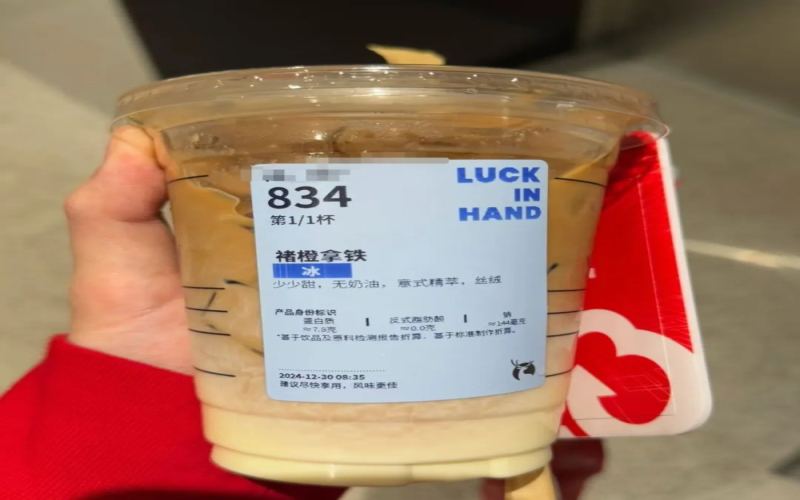
Luckin Employee Exposé on Additives in Flavored Drinks: Inside the Chain Coffee Syrup Mixing Scandal Sparking Heated Debate
Nowadays, more and more young consumers carefully study drink recipes and calorie data before placing an order, and brands have followed suit by introducing health labels that indicate caffeine, calories, and other information. Luckin recently joined this trend, but what seemed like a thoughtful move triggered an uproar after an internal employee's expose. The employee pointed directly at flavored lattes containing syrup, saying they contain large amounts of additives, and even advised health-conscious customers to avoid such products as much as possible. Once the post appeared, many Luckin workers chimed in, and consumers began to re-examine the cup of flavored coffee in their hands. What industry truth is hidden behind this? Should chain brands' syrups and modified milk really be viewed with caution? [more…]
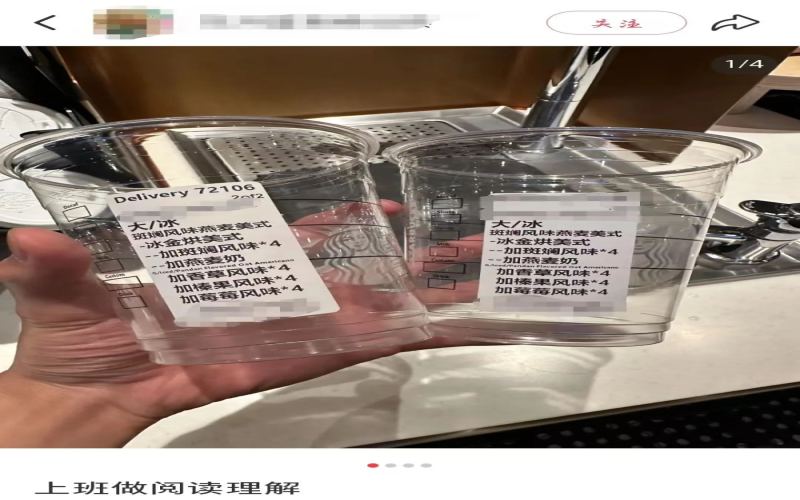
After Starbucks' syrup reform, customized orders surged, and employees, upon seeing the labels, exclaimed that it felt like doing reading comprehension exercises.
Starbucks has recently implemented a major syrup reform, splitting flavors and syrups into two independent ingredients. This adjustment gives customers who love DIY greater freedom to customize, allowing them to freely increase or decrease flavor concentrates according to personal preference without worrying about excessive sugar. However, when these experimental customized orders reach the stores, employees find themselves struggling with the densely packed label text. Some people collect all the official flavor syrups, while others repeatedly modify the milk base and cream ratios. The label font gets smaller and smaller, and baristas joke that they have to do reading comprehension on the job. What kind of store anecdotes has this battle over taste customization brought about? [more…]

Orange Peel Syrup Meets Chocolate: A Full Guide to Winter Orange Chocolate Latte Ratios and Espresso Bean Selection
In the cold of winter, a latte that combines the bright sweetness of citrus with the silky smoothness of chocolate is enough to warm both body and soul. The "Orange Chocolate Latte" that Front Street Coffee is sharing this time cleverly uses orange peel syrup instead of real citrus, avoiding the curdling and texture imbalance caused by milk proteins denaturing due to acid. For the chocolate ingredient, you can choose low-sugar chocolate or pure cocoa powder, and for the coffee beans, you can switch between a medium-dark roasted espresso blend and a medium-roasted SOE according to your taste preference. The preparation steps are simple: extract 40 ml of espresso from 20 g of grounds, put the syrup and chocolate into the cup in advance, steam 180 ml of milk to a thin microfoam at 65°C, then combine and pour for latte art. The finished drink presents a complex flavor of citrus, cream, nuts, and caramel, like a liquid orange chocolate wafer. [more…]
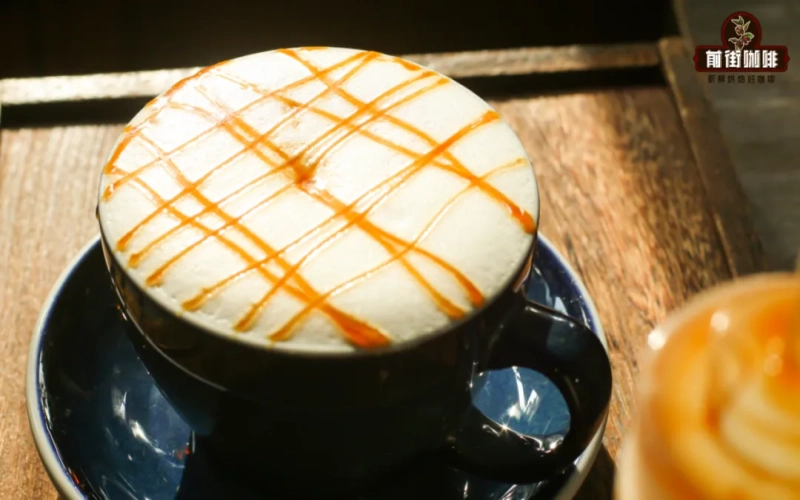
Are Caramel Macchiato and Caramel Latte the Same Thing? Origin of the Meaning, Difference from Macchiato, and How to Make It at Home
Caramel Macchiato is a classic milk coffee introduced by Starbucks in the 1990s. To make it, vanilla syrup is mixed with espresso, then steamed milk is poured in, and finally caramel sauce is drizzled on top of the milk foam and a pattern is drawn. The "macchiato" in its name is actually just a shared name with the traditional Italian espresso macchiato; the two are completely different in taste, recipe, and underlying logic. This article will start with the English meaning of caramel macchiato, sort out the differences between it and caramel latte and traditional macchiato, and share the classic preparation steps commonly used in Front Street Coffee stores, including coffee bean selection, extraction parameters, milk frothing level, and techniques for using caramel sauce, to help coffee lovers recreate this richly layered sweet drink at home. [more…]
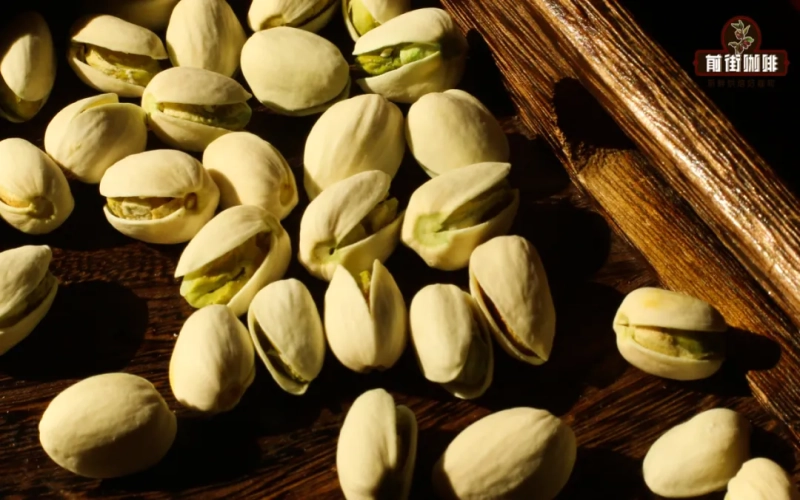
How to Make Pistachio Latte and Pistachio Dirty Coffee? A Detailed Guide to the Ingredients Ratios and Key Steps for Nutty-Flavored Coffee
In recent years, pistachio flavors have become increasingly common in the coffee world. Whether it's a pistachio latte or a pistachio dirty, both have won over plenty of fans with their rich, natural nutty aroma. Most of these drinks use pistachio paste rather than flavored syrup to deliver their flavor, and although specialty cafés charge a premium for them, making them at home is actually quite affordable. This article starts with ingredient preparation, focuses on the techniques for melting pistachio paste, and then provides specific recipes and step-by-step instructions for a hot pistachio latte and a pistachio dirty, including espresso extraction parameters, milk quantities, syrup ratios, and the key details for hot-and-cold layering, helping you recreate café-quality pistachio coffee at home. [more…]
Caramel Macchiato Recipe Revealed: A Homemade Guide to Espresso, Milk, Vanilla Syrup, and Caramel Sauce
Caramel Macchiato, with its sweet flavor and delicate caramel pattern, was once as famous as latte and mocha, becoming a coffee drink that swept the globe. Although it is no longer commonly seen in coffee shops today, its preparation is actually not complicated. Join Front Street to learn about the ingredients of Caramel Macchiato, its essential difference from Macchiato, and how to easily recreate this "coffee in a sugar coat" at home. With just four ingredients—espresso, milk, vanilla syrup, and caramel sauce—and a few key steps, you can restore the sweet caramel aroma intertwined with dense milk foam from memory. [more…]
Why is Caramel Macchiato Favored by Women? A Detailed Explanation of the Classic Recipe and Its Essential Difference from Macchiato
Caramel Macchiato was once as famous as latte, mocha, and cappuccino. With its sweet taste and delicate caramel pattern, it swept the globe, especially beloved by female consumers. However, nowadays it is hard to find it in coffee shops. This article will take you through the history of this classic drink, clarify the essential difference between Caramel Macchiato and Macchiato, and share Front Street Coffee's classic preparation method. With just four ingredients—espresso, milk, vanilla syrup, and caramel sauce—you can easily recreate this "coffee in a sugar coat" at home. [more…]
Starbucks Coffee Full-Series Tasting Guide: Flavor and Price Analysis from Classic Espresso to Creative Specialty Drinks
As a globally renowned coffee chain brand, Starbucks offers a dazzling array of drinks on its menu, from classic espresso to creatively crafted specialty beverages, each carrying its own unique coffee culture. This article will systematically outline the complete range of Starbucks coffee types, covering classics such as cappuccino, latte, Americano, mocha, and caramel macchiato, as well as the iced drink series and creative products like Frappuccino, while also detailing the general price ranges for each size. In addition, the article delves into the roasting origins of Starbucks coffee beans, the Italian roots of its size terminology, and the personalized options customers can customize, providing coffee enthusiasts with a comprehensive and practical ordering reference. [more…]

What's the difference between a macchiato, a latte, and a cappuccino? From milk ratios to how to make a caramel macchiato, explained in one go
Although they are all espresso with milk, macchiato, latte, and cappuccino present distinctly different flavors and mouthfeels. Many people can tell espresso and cappuccino apart, yet cannot clearly explain what a macchiato actually is. Starting from the original Italian meaning of "Macchiato," this article sorts out the differences between espresso macchiato, caramel macchiato, and authentic cappuccino, and explains in detail the steps for making caramel macchiato, the ingredient ratios, and the key points of steaming milk foam, while also introducing the application of the Front Street Coffee espresso bean series in it, helping coffee lovers make a cup of milk coffee with clear layers at home. [more…]
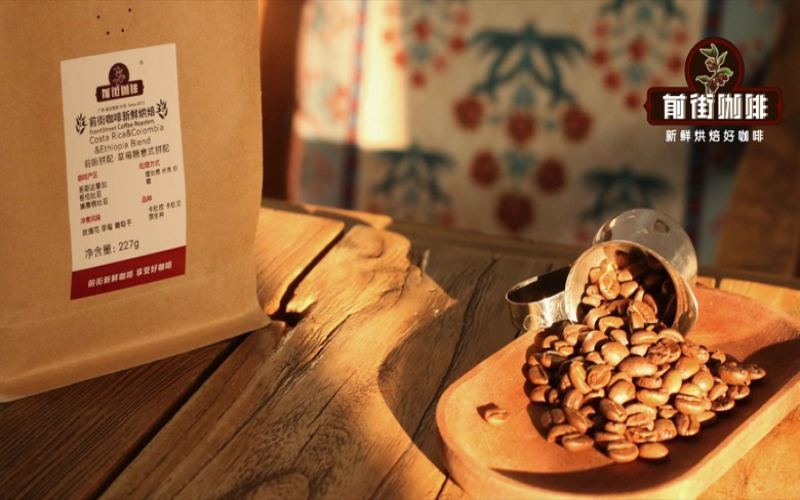
Why Strawberry Candy Latte Works: The Underlying Logic of Flavored Beans
Seeing a strawberry candy latte on a café menu, many people instinctively assume it contains syrup. In fact, a properly processed flavored bean can produce a strawberry-like sweet aroma without any syrup at all, and Front Street Coffee's Strawberry Candy Blend was designed with exactly this approach in mind. Its premise is that the bean's own fermented flavor is distinctive enough—so distinctive that [more…]

Making Osmanthus Coffee at Home in Autumn: A Detailed Guide to Three Recipes—Americano, Latte, and Caramel Crème Brûlée Latte
The autumn breeze brings refreshment, and the fragrance of osmanthus fills the air—it's once again the season best suited for incorporating osmanthus into coffee. This year, Front Street Coffee has brought a richer lineup of osmanthus coffee recipes than in previous years, including the easy-to-make osmanthus Americano and osmanthus latte, as well as the more elaborate yet stunningly layered osmanthus version of the caramel crème brûlée latte. This article will explain one by one the required ingredients, the approach to selecting coffee beans, and the detailed preparation parameters and precautions for the three beverages. It will also address common questions such as whether osmanthus can be placed directly into the coffee machine for extraction and how to prevent osmanthus from turning bitter. Whether you prefer a refreshing, sugar-free Americano or are devoted to a rich, creamy latte, you'll be able to find the cup that suits you to recreate at home. [more…]

What is the difference between a Caramel Macchiato and a Latte? Does it count as coffee? Front Street teaches you the standard method.
Caramel Macchiato was once a classic milk coffee that swept the globe, standing alongside latte, mocha, and cappuccino in fame, yet today it is rarely seen in coffee shops. Many people mistakenly believe that Caramel Macchiato is a variant of Macchiato, but in reality, aside from the similar names, the two are completely different in taste, recipe, and approach to making. This article, from the perspective of Front Street, will first clarify the essential differences between Caramel Macchiato, Macchiato, and latte, and then guide you step by step to recreate a standard version of Caramel Macchiato at home, with simple ingredients and clear steps. Let's rediscover that layer of sweet caramel imprint together. [more…]
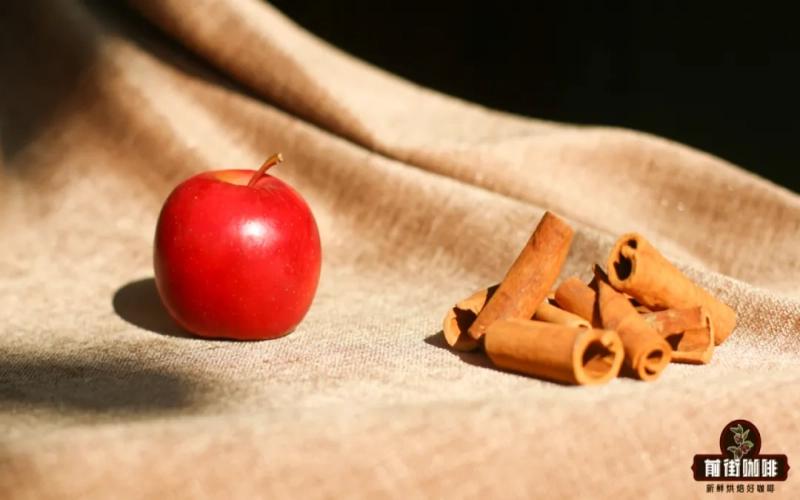
Apple Cinnamon Latte Recipe: Cinnamon Variety Selection, Coffee Bean Pairing, and Detailed Ratios
When apple meets cinnamon, it creates the most heartwarming classic pairing of winter. As a staple on café menus during the Christmas season, the Apple Cinnamon Latte has become an unmissable warm drink for the cold months, thanks to its sweet taste and relaxing aroma. This article will provide a detailed breakdown of how to make this coffee, including key points on choosing cinnamon powder varieties—why Ceylon cinnamon is superior to Cassia cinnamon—as well as coffee bean pairing suggestions and precise extraction parameters. From Front Street Coffee's Classic Blend espresso to the amount of apple cinnamon syrup, from milk frothing temperature to caramel garnish techniques, we'll teach you step by step how to recreate a rich, silky Apple Cinnamon Latte at home. [more…]

How Do You Make Starbucks Iced Shaken Espresso? A Complete Three-Step Tutorial to Recreate Fancy Iced Coffee
On a sweltering summer day, a layered iced specialty coffee always turns heads. Starbucks' Iced Shaken Espresso, with its striking three-layer look of dark brown espresso, milk-tea-colored milk, and fluffy coffee foam, has become the top choice for many coffee lovers to recreate at home. This time, Front Street Coffee will walk you through the making logic of this drink: use espresso with ice cubes and vanilla syrup, shake it in a cocktail shaker to whip in air and build a thick foam layer, then pour in oat milk through the layers to create a unique texture where grain and coffee intertwine. From ingredient preparation to extraction parameters, shaking technique, tasting the finished drink, and ideas for flavor variations, this article restores the complete process step by step, so you can easily make your own refreshing yet rich Iced Shaken Espresso at home. [more…]

Should Mocha Use Chocolate Syrup or Cocoa Powder? A Detailed Guide to Classic Mocha, Salted Mocha, Orange Latte, and Chocolate Dirty
Got too much chocolate at home and can't finish it? Why not turn it into a cup of coffee where chocolate takes center stage. This article rounds up four easy chocolate coffee recipes: starting with the most classic mocha, then moving on to a sweeter salted mocha, an orange-chocolate latte with the aroma of orange wafer cookies, and a chocolate Dirty that blends hot and cold. Using Front Street Coffee's classic espresso blend as an example, the article provides espresso extraction parameters, the ratio of chocolate to milk, tips for adjusting between hot and cold versions, and a practical trick for melting chocolate chunks directly instead of using chocolate syrup, helping coffee lovers easily recreate these drinks in their own kitchens. [more…]

How should you drink espresso to get it just right? A full breakdown of when to stir and when to take big sips
When a cup of coffee is placed in front of you, should you stir it or just take a big gulp? There is no uniform answer to this question—the key lies in the drink's own design intent. In this article, Front Street Coffee sorts out two categories of drinking methods: espresso, iced latte, flavored coffee, and the like need to be stirred before drinking because of their layers, otherwise they will either taste thin, or one sip will be all syrup; while Dirty, Con Panna, hot latte, cappuccino, and espresso-derived small-cup products emphasize not stirring and taking a big mouthful, so that you can simultaneously experience the double contrast between espresso and milk in temperature and flavor, or take in the milk foam and cream along with it. The article also explains the principle behind how the layers form, and the aromatic and sweet lingering aftertaste brought by the retronasal breath after swallowing a big mouthful. Finally, Front Street also reminds us that there is no fixed rule for how to drink—just follow your own preference. [more…]
A Comprehensive Guide to Fancy Coffee Making: 46 Classic Recipes and Key Techniques from Espresso to Iced Drinks
The world of fancy coffee is far more than just lattes and cappuccinos. This article systematically organizes the recipes and preparation techniques for 46 classic fancy coffees, covering two major categories: hot drinks and iced drinks. From the basics of espresso, au lait, and macchiato, to Irish coffee and royal coffee with their hints of liquor, and on to iced lattes and beer iced coffee suited for summer, each entry lists the required materials, specific steps, and key operational points, helping you master the flavor characteristics and serving essentials of different coffees. The article also retains relevant recommendations from the Front Street brand, providing a practical reference for coffee enthusiasts. [more…]